Valuing and buying your gold jewellery
An inherited ring, chains tangled at the back of a drawer, a signed piece whose value you do not know: we examine your gold jewellery and explain what determines its price before making any offer.
A piece of jewellery may be worth its weight in gold, or considerably more when it is antique, signed or set with fine stones. Establishing which is the purpose of the valuation.
- Valuation
- Free and without obligation
- Where
- From photos, then at your home
- Offer
- In writing, and you remain free to decline
- Hours
- Monday to Saturday, 9 am to 7 pm
The jewellery we examine
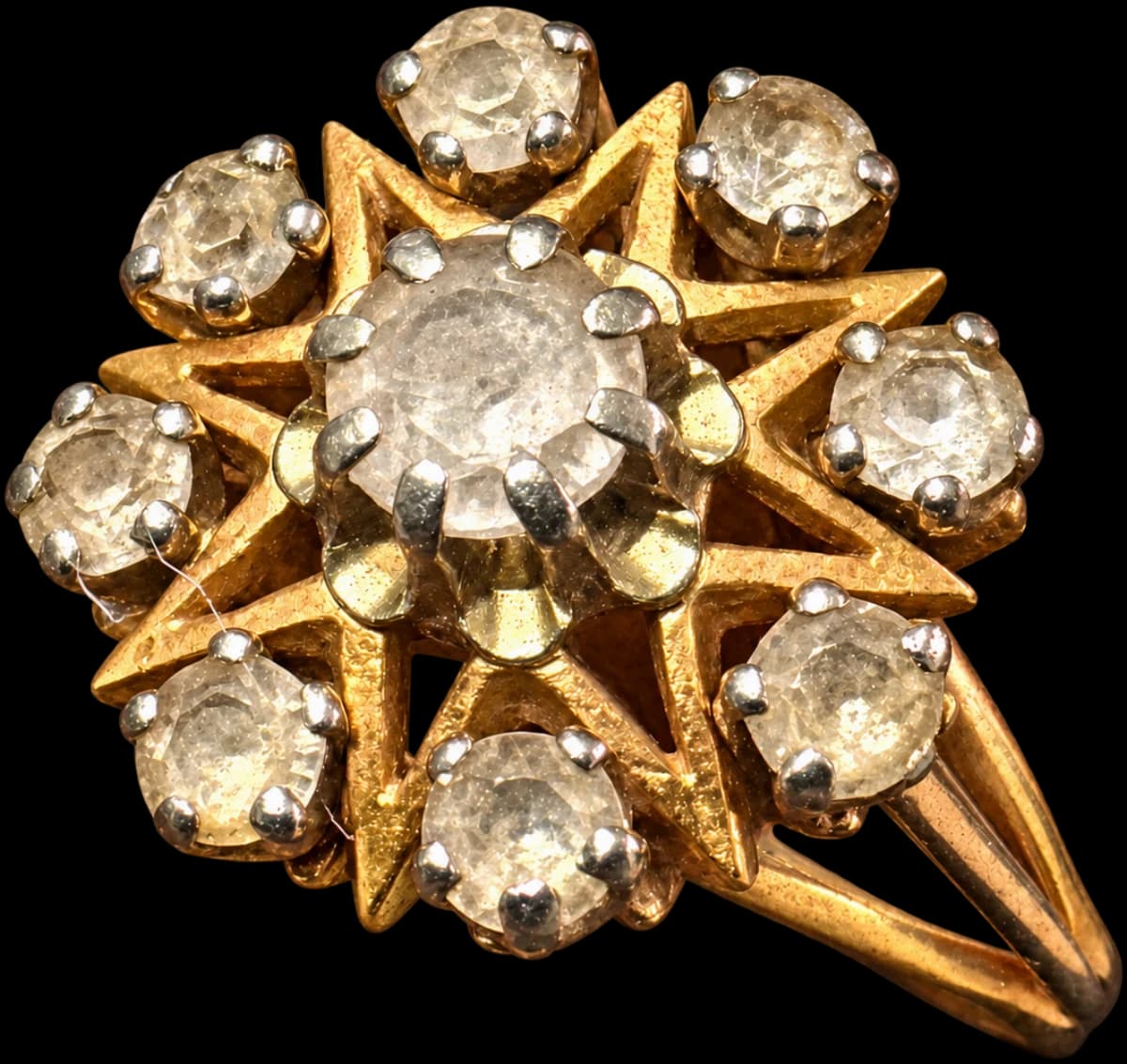
Gold jewellery
Rings, wedding bands, chains, bracelets, necklaces, earrings.
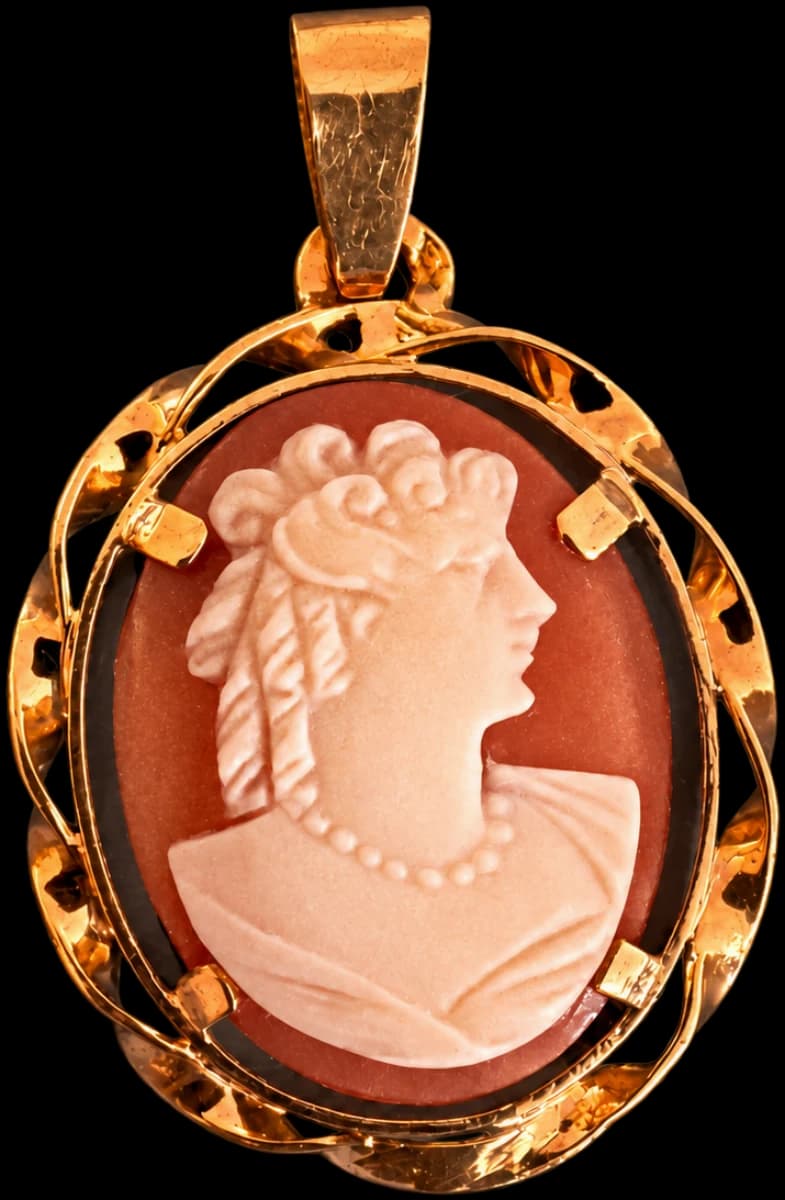
Antique and signed jewellery
Art Deco and Art Nouveau pieces, jewellery from the great houses.
Rings and stones
Solitaires, rings set with diamonds or coloured stones.
Broken or odd pieces
A single earring, a broken chain, a damaged piece: the gold keeps its value.
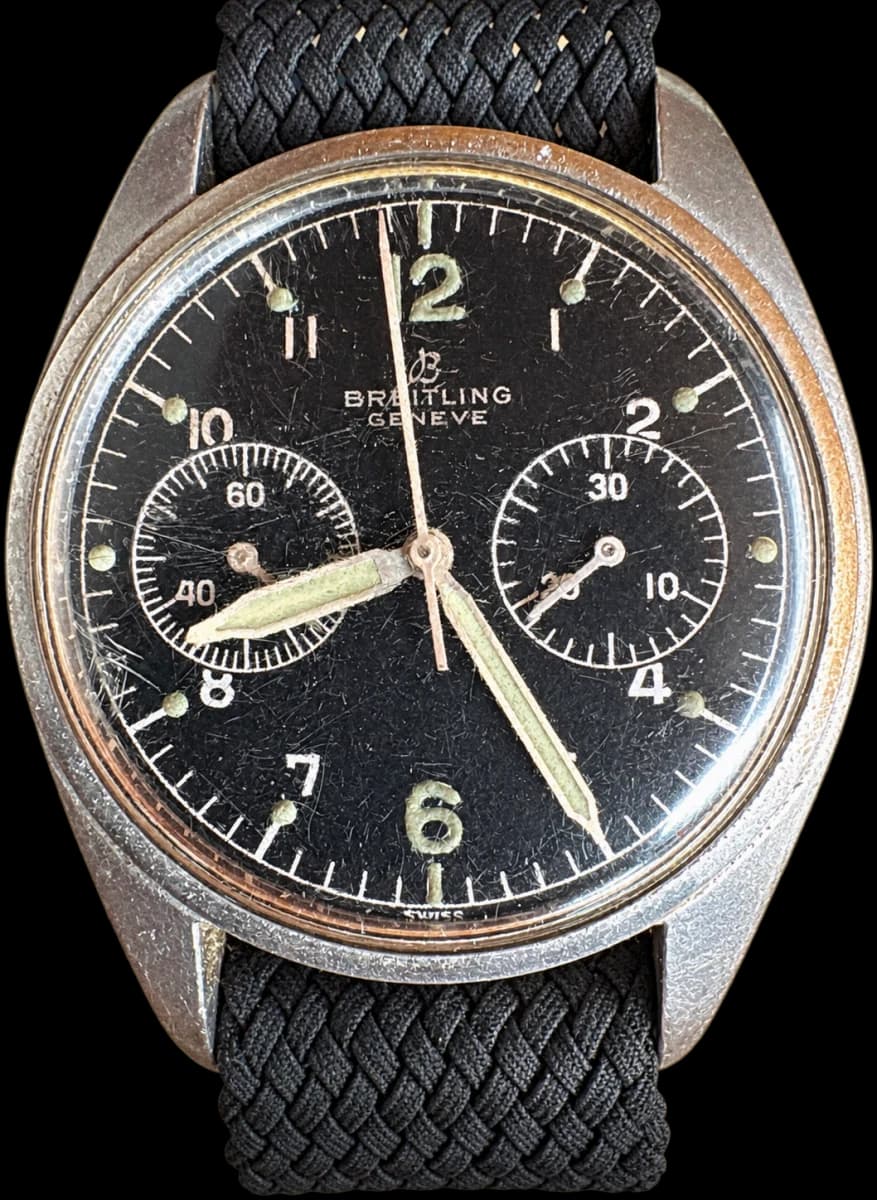
Watches
Gold watches, mechanical and collectable watches, pocket watches.
- Other, or not sureGold or plated? Old or recent? Describe the piece: we will help you identify it.Describe the item
The value of the metal or the value of the piece
Two ways of valuing the same piece of jewellery. The expert tells you which one applies, and why.
The value of the metal
- It depends on the weight of fine gold: the weight of the piece multiplied by its fineness (750 parts per thousand for 18-carat gold).
- The fineness is shown by the hallmark and is checked during the examination.
- It follows the gold price, which changes every day: a market price is not a guaranteed buying price.
The value of the piece
- An antique piece, one signed by a great house or one finely made can be worth far more than its gold.
- The stones, their cut and their quality count, as do the condition and whether the original case or certificate is still there.
- This value is assessed against public auction results for comparable pieces.
We do not publish gold prices or prices per gram: each offer is made piece by piece, after examination.
What helps us value your jewellery
- Sharp photographs
- Each piece in full, in daylight, then the clasp and the inside of the ring.
- The hallmarks
- The small mark struck into the metal (an eagle’s head, the numbers 750 or 585…), photographed close up.
- The weight, if you know it
- Accurate kitchen scales already give an indication. Otherwise, we weigh it in front of you.
- Condition
- Missing stones, repairs, broken links: simply let us know.
- Documents
- Invoice, stone certificate, jewellery case, and a watch’s box and papers if you have them.
How the valuation works
You describe your jewellery
By telephone or with the form, with a few photographs if possible.
An initial assessment
We tell you whether your jewellery is more a matter of metal value or calls for a valuation of the piece itself.
The examination
Reading the hallmarks, checking the fineness, weighing and examining the stones, at your home and in front of you.
The offer
A written offer, piece by piece. You accept it or decline it, at no cost.
Watches
A watch is valued first on its brand, reference and movement, then on its condition and original elements: box, papers, service invoices. A gold watch of horological interest is not simply valued on the weight of its case.
For an initial assessment, photograph the dial, the caseback and the clasp. Please do not open the watch yourself: the serial number and the movement are checked during the examination.
What French law requires
A purchase of precious metals from a private individual cannot be paid in cash: payment is made by bank transfer or cheque. Like every professional buyer, we record your identity and enter the purchase in a register.
The sale may be subject to a French flat-rate tax on sales of precious items, whose rate depends on the nature of the object and its price. The French tax administration sets out the rules in its official guidance (BOFiP, in French).
At your home, anywhere in France
Our registered office, at 142 Rue de la Chaussée in Chauny, is not open to the public: we travel by appointment to value your jewellery at your home, in the Aisne or elsewhere in France.
Frequently asked questions
How can I tell whether my jewellery is gold?
Look for a hallmark: in France, 18-carat gold bears an eagle’s head, and many pieces also carry a number such as 750 or 585. The absence of a hallmark proves nothing, and some words (‘plaqué’ for plated, ‘doublé’ for rolled gold) indicate a piece that is not solid gold. The fineness is checked during the examination.
How do you value gold jewellery?
For an everyday piece, from the weight of fine gold and the day’s gold price. For an antique or signed piece, or one set with fine stones, from sale results for comparable pieces. The expert tells you which method they are using.
Do you buy broken jewellery?
Yes, a broken or odd piece keeps the value of its gold. Show us the stray pieces too: a single earring or a link counts towards the weight.
Do I need an invoice to sell a piece of jewellery?
No, an invoice is not required to sell inherited or antique jewellery. If you have one, keep it: it can help with the valuation and, in some cases, with calculating the tax.
Can I be paid in cash?
No. French law forbids paying a private individual in cash for precious metals: payment is made by bank transfer or cheque.
Is there a tax on selling jewellery?
Depending on the object and its price, the sale may be subject to a French flat-rate tax. The rules and rates are published by the French tax administration in its official guidance (BOFiP, in French). For advice suited to your situation, please consult your notaire (the French notary) or the French tax authorities.
I am not tax-resident in France: is the French tax on the sale due?
People whose tax home is not in France are exempt from the French flat-rate tax on sales of precious metals, jewellery and works of art. The French tax administration’s guidance (in French) sets out the conditions: BOI-RPPM-PVBMC-20-10.
What documents do I need to sell?
A valid identity document. To sell on behalf of someone else, a written authorisation or a power of attorney.
Can you value a watch?
Yes. Send us photographs of the dial, the caseback and the clasp, with the box and papers if you have them. The reference and the movement are then checked during the examination.
Can I change my mind after selling?
Yes. When you sell gold, silver or platinum to a professional, French law gives you 48 hours after signing the contract to withdraw, without having to give a reason.
What if I decline your offer?
You keep your jewellery, at no cost. The offer is given to you in writing so that you can think it over.
Find out more
Have your jewellery valued
Describe your jewellery in a few words: an expert will get back to you with an initial assessment.
- Telephone
- +33 7 57 99 00 67
- Opening hours
- Monday to Saturday, 9 am to 7 pm
By appointment - Address
- A.F Conclues
142 Rue de la Chaussée
02300 Chauny
Tell us about your pieces
Free, confidential valuation.
An expert will call you back within 24 hours.